Benjamin DeasonOwner-operator
★★★★★
“Did a great job, felt like I knew the shop guys all my life. Bunch of good guys who seemed very knowledgeable.”
2024
Exhaust and Turbo
This is the least interesting page on this website and the one that decides the most. Nothing on a truck is cheaper to do right than fluid service, and nothing produces more expensive failures when it slips. The trouble is never that a fleet decided to skip it. It is that getting a unit somewhere to have it done is inconvenient enough that intervals stretch, and a stretched interval does damage that does not present a bill for two years.
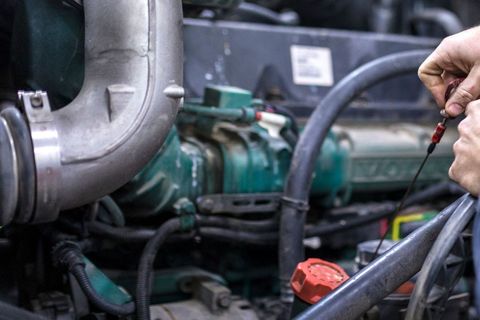
Engine oil and filters are the headline, and they matter: oil that has run past its interval loses its ability to protect bearings, work the hydraulic components inside the engine, and carry away the soot it is loaded with.
But the fluids that actually strand fleets are the other ones. Fuel filters and the water separator, because water in fuel destroys injection components and because a plugged filter is a truck that dies at the worst time. Coolant, which is a chemical system with a service life rather than a level to top up, and which is covered in detail on our cooling systems page. Transmission and differential lubricants, which shear down and take gearsets with them. Power steering and hydraulic fluid. DEF, and the filter that goes with it. Grease at every fitting on the chassis, including the fifth wheel, which drivers feel immediately when it is missed.
We service all of it, and we check the ones we are not changing, because a fluid nobody looked at is the one that fails.
The interval in the manual is written for an average truck, and none of yours are average.
Idle hours matter enormously and mileage does not capture them at all. A unit that spends hours idling has run its oil far harder than the odometer suggests, which is why fleets doing short urban work with long waits get burned by mileage-based intervals. Load weight, terrain, ambient heat, and how the truck gets driven all move the number too, as does what you are trying to protect: a fleet aiming for 800,000 miles on an engine services differently than one trading units at four years.
We set intervals with you based on how the units actually run, then adjust when what we find says to. That is the same approach described on the preventive maintenance page, and fluid service is where it pays off first, because it is the item that repeats most often.
The service is not just the new fluid going in. It is the fifteen minutes of looking that happens while the truck is open.
Filters get cut or inspected rather than just thrown away, because what is in them is information. Coolant gets tested for freeze point and additive level. Fluid levels across the truck get checked against what they were last time, and a level that keeps needing topping up is a finding, not a chore. Anything wet underneath gets traced to its actual source rather than noted as a leak.
Consumption trends are the most valuable thing here and the easiest to lose. A unit that used to need a quart and now needs three is telling you something specific about rings, guides, a turbo seal, or crankcase pressure, and catching that pattern early is the difference between a repair and an engine job. It only works if somebody is writing it down, which is part of what a service record is for.
Fluid service is the single best argument for on-site work, because it is routine, it repeats constantly, and none of it needs a lift.
Our technicians run oil, filter and fluid service on customer yards as scheduled work, going through units in whatever order your dispatch can live with. No truck loses a shift to a trip and a wait for a job that takes a fraction of the time the travel does. For fleets with volume, this is the backbone of an on-yard program, and everything else, brakes, inspections, the deferred items, tends to get handled on the same passes.
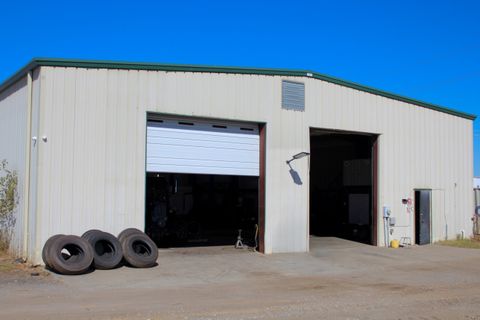
The shop in Greer handles it too, and it makes sense when a unit is in for something else anyway. Fluid service on a truck already on a lift for other work is close to free in downtime terms.
Nothing about this fails on the day it is skipped, which is exactly why it keeps getting skipped.
Oil run long stops protecting, and the damage accumulates in bearings and in the hydraulic components inside the engine that never get mentioned until they fail. Fuel filters run long put debris and water where injection components live, and injectors are not a small repair. Coolant past its service life eats cylinder liners with no symptom at all until the day there is a very large one. Differential and transmission lubricant run down wears gearsets toward rebuilds.
Every one of those arrives late, arrives large, and gets blamed on the truck's age. Most of them are not age. They are intervals, and the fleets that hold their intervals know it, because their trucks reach high mileage without drama and their maintenance spend is boring. Boring is the goal.
We diagnose it.
You hear what we found.
You approve it.
We do the work.
Pricing on request, and references from fleets your size. What you will not get is a number you did not approve.
Symptoms often start one system over. If the diagnosis points there, these are the usual suspects.

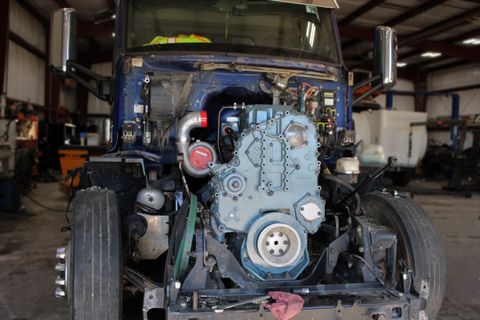
“Turbo blew on 85. They took care of getting me towed to their shop. The next day, they jumped on my 379 pete and swapped my turbo and air to air. Charged my ac and was on my way.”Benjamin Deason · Google review, Greer
“Did a great job, felt like I knew the shop guys all my life. Bunch of good guys who seemed very knowledgeable.”
“Was on the road and ran into an issue. Looked this place up and they were right down the road. Got in and out quick and back on the road.”
“Called ACME for my driver who was on the side of I-85 in Greer. The line was busy, so I moved on and called another company. The gentleman with ACME not only called me back.”
It depends on duty cycle more than on mileage, and idle hours are the factor fleets most often leave out. A truck that idles heavily has worked its oil far harder than the odometer says. Tell us how the units actually run, what they haul and where, and we will set intervals with you rather than reading you the number from a manual.
Yes, and for a fleet this is the work that belongs on site more than any other. It repeats constantly, it needs no lift, and the travel time to have it done elsewhere costs more than the service does. We work through units on a schedule your dispatch sets, during business hours.
Yes, and that is most of the value. Filters and old fluid get looked at rather than discarded, coolant gets tested, levels get compared against last time, and anything wet underneath gets traced. You get back what was checked, what was replaced, and a list of things that are not urgent yet but will be.
It can be, particularly with coolant, where mixing types can defeat the additive chemistry that protects your liners and water pumps. It is worth standardizing across the fleet and testing what is currently in the units, especially any that have been topped off by several different people over several years.
In the shop or in your yard. Same straight answers either way.
Mon to Fri, 8am to 5pm. After hours by arrangement.
Mobile trucks and roadside cover the Upstate. Dedicated on-yard technicians work anywhere in the Southeast.
Call the shop or send the request. You'll get the diagnosis straight and a number before we start.